

Thinking about getting rid of the skin tag, wart, or age spot?
People often look into skin lesion removal after noticing a skin tag, wart or pigmented spot they would like checked or removed. The available options depend on what the growth actually is, where it is located and whether it needs further medical assessment.
CryoPen is one form of cryotherapy. It uses a focused application of extreme cold to treat selected skin lesions. Other options include surgical removal, electrocautery and certain topical treatments.
Neither approach is automatically better. The right choice depends on the type of lesion, the depth of the tissue involved and whether a sample is needed for examination.
What Is CryoPen Treatment, and Is It Available in West Yorkshire, UK?
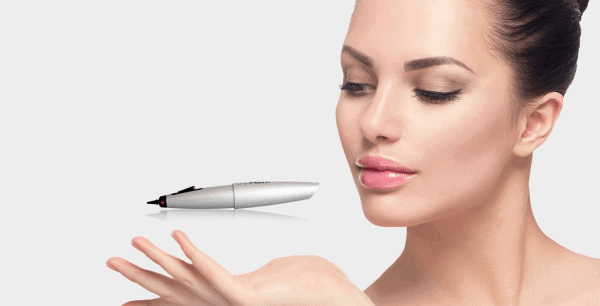
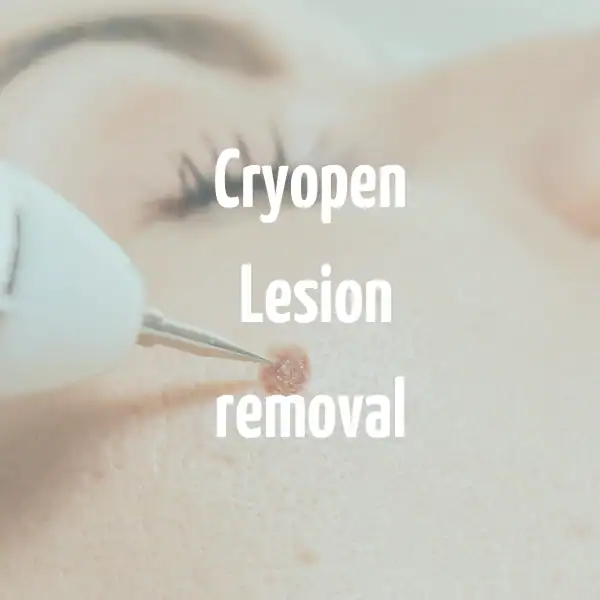
CryoPen is a device used to deliver a controlled application of cold gas to a selected area of skin. The freezing process damages the targeted tissue, which then goes through a healing process over the following days or weeks.
It may be considered for certain diagnosed benign lesions, depending on their type, size, depth and location. Not every skin growth is suitable for freezing.
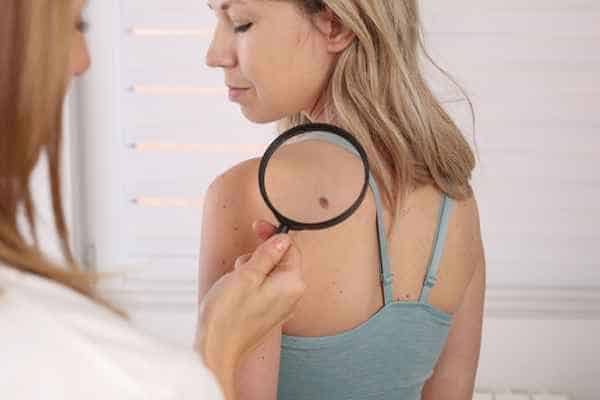
Before treatment, the practitioner should establish what the lesion is and whether cryotherapy is an appropriate option. If a growth is changing, bleeding, irregular or has not been properly assessed, it should be checked by a GP or dermatologist before cosmetic removal is considered.
See Our Cryopen CRYOTHERAPY Treatment Options, Suitability and A Full Guide Here
What Are Traditional Skin Lesion Removal Methods?
The method used depends on the type of lesion and whether a tissue sample is needed. Common options include:
- Surgical excision – removing the lesion with a surgical instrument, sometimes allowing the tissue to be sent for laboratory examination.
- Electrocautery – using controlled electrical heat to destroy or remove selected tissue.
- Laser treatment – using focused light energy for certain skin conditions and lesions.
- Topical treatments – applying specific creams or preparations where appropriate for the condition being treated.
Each method has different benefits, limitations and possible side effects. For example, surgical removal can provide a tissue sample, whereas cryotherapy generally destroys the treated tissue and does not provide a specimen for laboratory analysis. See our CryoPen prices here.
Key Differences: CryoPen and Traditional Methods
HThe main differences are in how each method removes tissue. And what happens afterwards:
- How it works: CryoPen uses controlled freezing. Surgical excision physically removes tissue, while electrocautery uses heat.
- Tissue examination: Cryotherapy does not normally provide a tissue sample. Surgical removal may allow one to be examined.
- Comfort: Freezing can cause stinging, discomfort or a burning sensation. Surgical procedures may involve local anaesthetic.
- Healing: Cryotherapy can cause redness, swelling, blistering and crusting. Surgical removal may require wound care and, in some cases, stitches.
- Scarring and skin colour: Both approaches can leave a mark. Cryotherapy can cause scarring or lighter or darker patches of skin, while surgery can leave a scar.
The best option is determined by the diagnosis and the treatment area, rather than by convenience alone.
Benefits of Choosing Cryotherapy
Cryotherapy may be a suitable option for certain diagnosed skin lesions when freezing is appropriate. Some practical features of the treatment include:
- No surgical incision: The treatment does not involve cutting out the lesion.
- Brief application: Freezing itself may take only a short time, depending on the lesion.
- No stitches: Cryotherapy does not usually require stitches.
- A local skin reaction: Redness, swelling, blistering or crusting can develop during healing.
- Treatment suitability: The practitioner should assess the lesion and its location before deciding whether freezing is appropriate.
See the Full Guide on Treating 5 Skin Blemishes with CryoPen Lipofreeze West Yorkshire
Common Advantages of Traditional Removal Methods
Other removal methods may be more appropriate when a lesion needs a different type of treatment.
- Tissue examination: Surgical removal can provide a sample for laboratory testing.
- Deeper lesions: Some growths extend below the skin surface and may need surgical assessment.
- Uncertain diagnosis: A lesion that has not been clearly identified should be assessed before removal.
- Complex locations: The position and depth of a lesion can influence which procedure is suitable.
A GP or dermatologist can advise when a lesion needs further investigation rather than cosmetic treatment.
Which Treatment Is More Cost-Effective?
The cost depends on the lesion, the removal method and how much treatment is needed.
CryoPen pricing may depend on the number of lesions being treated. Surgical removal can involve additional costs where local anaesthetic, laboratory testing or follow-up appointments are required.
A cheaper procedure is not necessarily the right choice if the lesion needs medical investigation or a different method of removal.
See our CryoPen prices here to review the available treatment costs.
Who Is the Ideal Candidate for Each Method?
CryoPen may be considered for:
- Selected skin lesions that have been identified as suitable for cryotherapy.
- Certain superficial benign lesions.
- People who prefer an option that does not involve surgical excision, where clinically appropriate.
Other removal methods may be considered for:
- Lesions that extend deeper into the skin.
- Growths where a tissue sample is needed.
- Lesions that require a different removal technique.
- Cases where cryotherapy is unsuitable.
The first step is establishing what the lesion is. If it has not been assessed, or if it is changing, bleeding or otherwise unusual, arrange a medical assessment before considering cosmetic removal.
FAQs: CryoPen vs. Traditional Methods
Q: How does CryoPen work, and can it be used on sensitive areas such as the face or neck?
CryoPen delivers a controlled application of cold gas to the selected area, freezing the tissue being treated. Whether it can be used on the face or neck depends on the type of lesion, its position and the device’s instructions. These areas should not automatically be considered suitable. A practitioner should assess the lesion and explain the possible risks before treatment.
Q: Will I experience pain or discomfort during a CryoPen session, and how long does the procedure typically take?
The sensation varies between people and depends on the area being treated. You may feel a sharp cold sensation, stinging or temporary discomfort during application. The freezing itself is usually brief, although the total appointment time depends on the number and type of lesions being assessed or treated.
Q: What kind of recovery or aftercare should I expect following a CryoPen treatment?
The treated area may become red or swollen, and a blister or crust can develop as the skin heals. Healing often takes several weeks, depending on the lesion and its location. Keep the area clean, avoid picking at any blister or crust, and follow the aftercare instructions provided by the practitioner. Contact a healthcare professional if you notice increasing pain, spreading redness, discharge or other signs of infection.
Q: Does cryopen, compared to traditional removal methods, have any scarring risks?
Both CryoPen and traditional removal methods can leave a scar or change the colour of the skin. Cryotherapy can cause lighter or darker patches, while surgical removal can leave a visible scar. The likelihood depends on the lesion, treatment area, method used and how your skin heals. Your practitioner should explain these possibilities before treatment.
Q: Is CryoPen able to treat all skin lesions or will some always be treated the old-fashioned way?
Cryotherapy can be used for selected benign lesions, including certain warts, seborrhoeic keratoses and skin tags. However, not every lesion is suitable for freezing. Growths that are deep, unusual, changing or uncertain in diagnosis may need assessment by a GP or dermatologist. Some may require surgical removal or a biopsy rather than cosmetic treatment.
Q: Is CryoPen more precise than other skin lesion removal methods?
CryoPen allows cold to be directed towards a selected area of skin. However, this does not mean that surrounding tissue is always unaffected or that the risk of scarring is eliminated. Other procedures also have ways of controlling the treatment area. The appropriate method depends on the lesion and the result required.
For Further Information, Please Call Us On 03300 105 225